How Does Volume-Based Junk Removal Pricing Work?
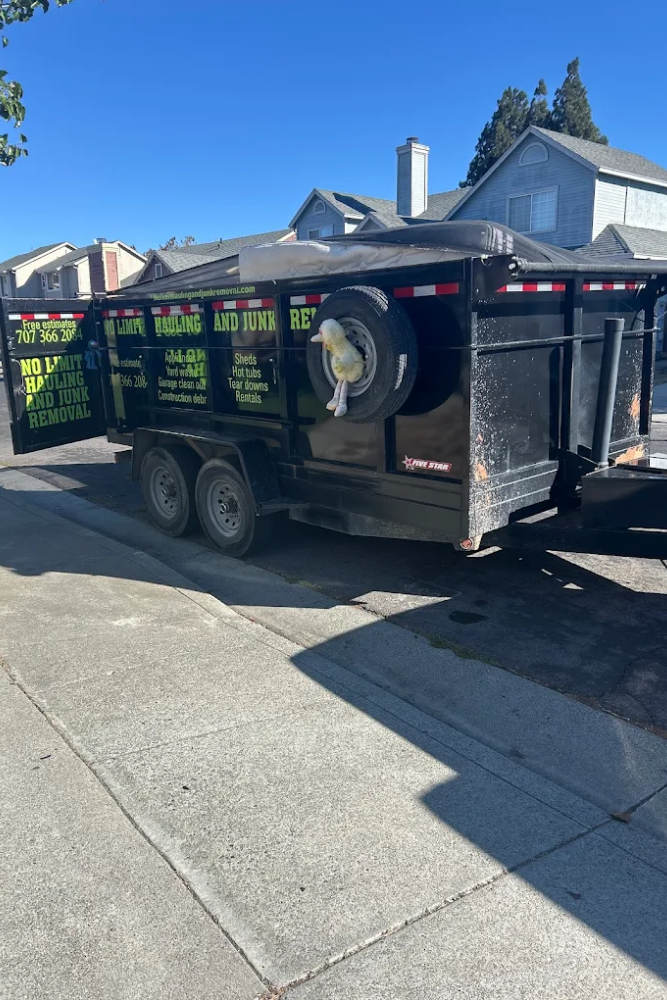
Many junk removal companies estimate prices based on how much truck space your unwanted items occupy. Instead of charging separately for every item, they may determine whether your load will fill a quarter, half, three-quarters, or an entire truck.
For example, a few bags of household clutter may require only a small portion of a truck, while a garage cleanout with furniture, boxes, and appliances could require most of the available space. Generally, larger loads cost more because they require more transportation and disposal resources.
Volume-based pricing can make estimates easier for customers. You may be able to describe your items over the phone or send photographs so the company can provide an approximate quote before arriving.
However, companies may calculate volume differently. Some use specific truck sections or pricing tiers, while others provide estimates based on the overall size of the load. Asking how the company measures volume can help you understand exactly what you are paying for.
Why Does Truck Space Affect the Price?
Truck space is an important consideration because the vehicle has a limited capacity. A larger load takes up more space and may prevent the company from handling another customer’s materials during the same trip.
The amount of junk also affects the work involved. A large load typically requires more time for carrying, sorting, loading, transporting, and unloading. These labor and transportation costs are often reflected in the final price.
The type of truck can also matter. Smaller vehicles may be suitable for light pickups, while larger trucks are needed for major cleanouts. Companies may have different pricing levels depending on the amount of space available.
It is important to remember that you are usually not paying simply for empty truck space. The price may include labor, transportation, disposal, fuel, equipment, and other operating expenses. Volume is simply one way companies estimate the resources required to complete the job.
What Types of Junk Are Usually Priced by Volume?
Household furniture, boxes, mattresses, appliances, general clutter, and many types of yard debris can often be estimated by volume. These items are loaded into a truck, making it relatively easy to determine how much space they occupy.
Furniture can make a significant difference because a sofa, wardrobe, or large table may take up considerable room. A pile of smaller items may occupy similar space but require a different amount of labor to collect and load.
Garage, basement, attic, and estate cleanouts are also commonly estimated by volume. Years of accumulated belongings can quickly fill a truck, especially when large furniture and appliances are involved.
Construction and landscaping debris can be more complicated. Materials such as concrete, bricks, soil, roofing materials, and other dense debris may be priced according to both volume and weight.
Not every material is accepted by standard junk removal companies. Hazardous substances and certain restricted materials may require specialized disposal. Always confirm what the company accepts before scheduling your pickup.
Does the Type of Junk Affect the Cost?
Yes. The type of junk can influence pricing even when a company primarily uses volume-based estimates. Some materials require additional labor, equipment, transportation, or specialized disposal.
Large appliances and heavy furniture, for example, may require multiple workers to move safely. Items located in difficult areas can also take longer to remove, increasing the labor involved.
Disposal fees may vary depending on the material. Electronics, mattresses, tires, construction debris, and other specialized items can have different disposal requirements and costs.
Weight can become especially important with heavy materials. A relatively small amount of concrete or bricks may reach a truck’s weight limit before filling its available space. In these situations, the company may consider weight as well as volume.
When requesting an estimate, describe the materials accurately. Providing photographs can help the company understand both the size and type of your load. This makes it easier to receive a realistic quote and reduces the chance of unexpected pricing changes.
Can Accessibility Increase the Removal Cost?
Accessibility can affect the amount of time and labor required for a job. Junk located beside a driveway is generally faster to remove than items stored in a basement, attic, backyard, or upper floor.
Stairs, narrow hallways, elevators, locked gates, long carrying distances, and difficult parking can make loading more challenging. Large or heavy items may require additional workers or specialized equipment.
Because of this, companies may ask where your items are located before providing an estimate. Be honest about stairs, difficult access points, and other conditions that could affect the job.
If possible, placing items in an easily accessible location can make loading faster. However, many professional providers can remove items directly from inside your home when requested.
Providing accurate information ahead of time helps the company prepare the appropriate crew and equipment. It also makes the estimate more reliable and reduces the likelihood of surprises when the crew arrives.
Are There Extra Fees Besides Volume?
A volume-based estimate may include standard labor, transportation, and disposal, but this depends on the company. Some providers include these costs in one price, while others may charge separately for certain services or materials.
Additional charges can sometimes apply to unusually heavy items, difficult access, special disposal requirements, or locations outside the company’s normal service area.
Minimum charges are another consideration. A company may have a minimum pickup price even when you only have a few items to remove. This means a very small load may not always result in a proportionally small bill.
Before scheduling, ask what the quoted price includes. Confirm whether loading, hauling, disposal, cleanup, and applicable fees are included.
A transparent estimate makes it easier to compare providers. Rather than choosing a company based only on its advertised starting price, compare the total expected cost and services included.
How Can You Get an Accurate Junk Removal Estimate?
Start by making a list of everything you want removed. Include major furniture, appliances, boxes, bags, yard debris, renovation materials, and other large items.
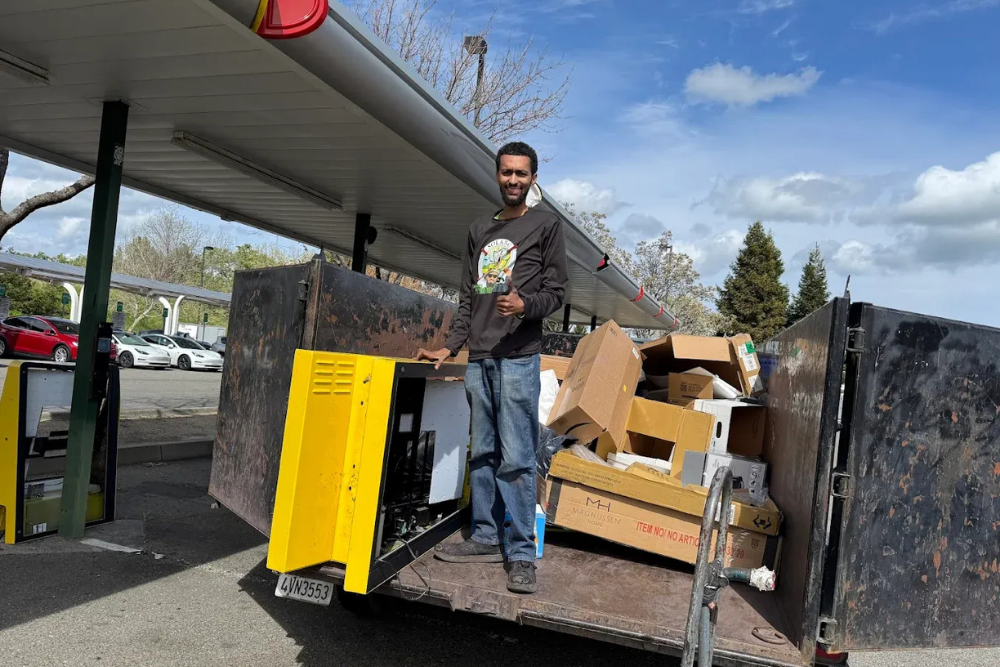
Photos can make the estimating process easier. Take clear pictures of the entire pile and individual photos of unusually large or heavy items. This gives the company a better idea of the load size.
You should also explain where the junk is located. Mention whether it is inside the house, garage, basement, attic, yard, or another area. Tell the company about stairs, long carrying distances, or restricted access.
Ask whether the estimate is firm or subject to change after inspection. Some companies provide guaranteed quotes based on the information provided, while others may adjust the price if the actual load differs significantly.
Getting multiple estimates can help you understand your options. However, compare what each quote includes rather than automatically choosing the lowest number.
How Should You Compare Junk Removal Companies?
When comparing junk removal services, consider more than the advertised price. Companies may use different pricing structures and include different services in their estimates.
Ask whether pricing is based on volume, weight, item count, labor, or a combination of factors. Confirm whether loading, transportation, disposal, and cleanup are included.
Professionalism and communication are also important. A reliable company should clearly explain its pricing and tell you what materials it accepts. Reviews and recommendations can provide additional insight into customer experiences.
You should also consider whether the provider regularly serves your area. Local companies may understand nearby disposal options and local requirements, which can make the process more efficient.
The cheapest estimate is not always the best value. A clear, comprehensive quote from a dependable provider can help prevent unexpected charges and ensure your unwanted items are handled properly.
Conclusion
Yes, junk removal services commonly use volume when determining their prices, but several other factors can affect the final cost. The type and weight of your junk, accessibility, labor, transportation, disposal requirements, and minimum charges may all play a role. Providing clear descriptions and photographs can help you receive a more accurate estimate. It is also smart to compare complete quotes and confirm what each price includes before scheduling a pickup. If you need dependable junk removal in Fairfield, No Limit Hauling and Junk Removal can help you clear unwanted items and regain usable space. For more information about junk removal options, contact No Limit Hauling and Junk Removal at 707-366-2084.
https://zekevillanueva19.podbean.com/e/do-junk-removal-services-charge-by-volume/
https://www.podomatic.com/podcasts/zekevillanueva19podcast/episodes/2026-09-17T05_08_27-07_00
https://stream.redcircle.com/episodes/c6049e10-9e14-46b0-971b-3fae369d06a9/stream.mp3